Machine Learning with Little Data: Where to Start
Is machine learning possible with little data? A simple baseline first, careful validation next: when to start and when to wait.
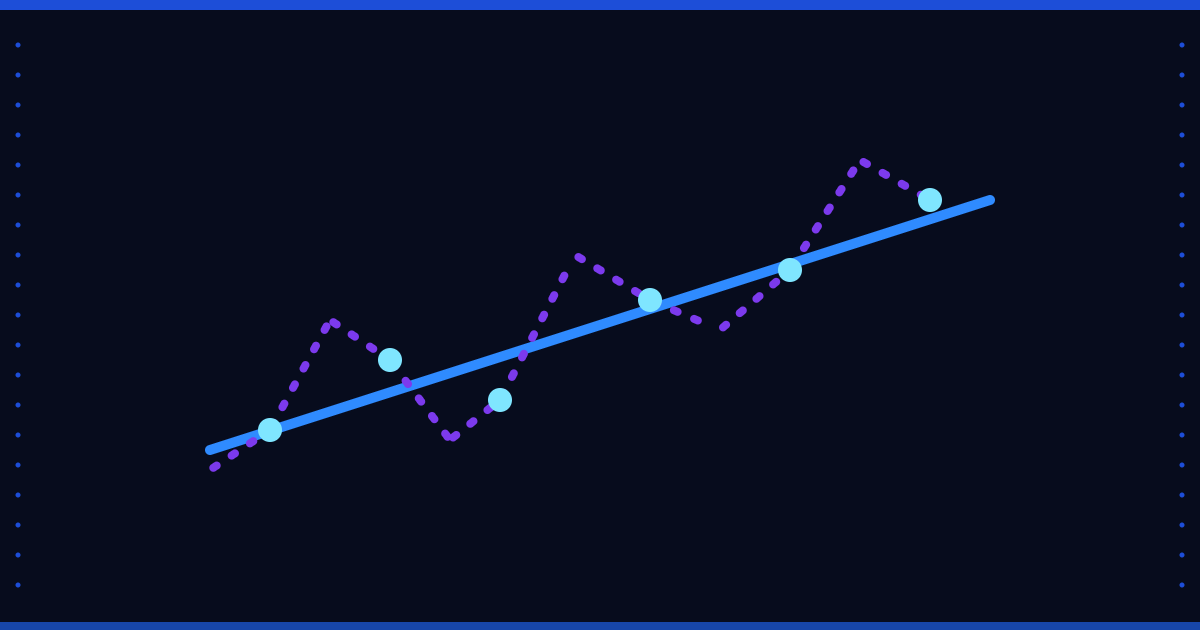
Machine learning is known to need a lot of data; but a small business usually has little. The question should not be 'is there enough data?' but 'how confidently can we say anything with this data?'
A baseline first
Start with a simple rule (last period's value, an average, a fixed ratio). A model adds value only if it is clearly better than this baseline.
Risks with little data
- Overfitting: the model memorizes noise and breaks on new data.
- Misleading validation: with time-ordered data, predict the future from the past; do not shuffle and split rows, or the result looks better than it is.
- Rare events: there may be very few examples of events such as cancellations or payment defaults; in that case the model has not really learned anything.
When to start
- The decision is clear: which decision will the forecast change?
- The data is consistent: the same thing is recorded the same way, and the history is complete.
- The baseline has been measured and the model beats it.
- The cost of the model being wrong is acceptable.
When to wait
If the decision can be made with a simple rule, if the data is inconsistent or if the cost of error is high, collect and fix the data first. Data quality often determines the result more than the choice of model.
Where Floemdata stands
A machine learning model is not a verified feature of Floemdata Analytics; AI work (Phase 2) is on the roadmap (not verified). This article contains general knowledge and does not describe a product feature.
To get started, pick one forecasting question, calculate the baseline and only then try a model. Questions: info@floemdata.com.