Meta's Dilemma: Open Llama or a Closed Model?
Llama passed one billion downloads, while Meta's Muse Spark, announced in 2026, is closed according to CNBC. We compare open and closed approaches.
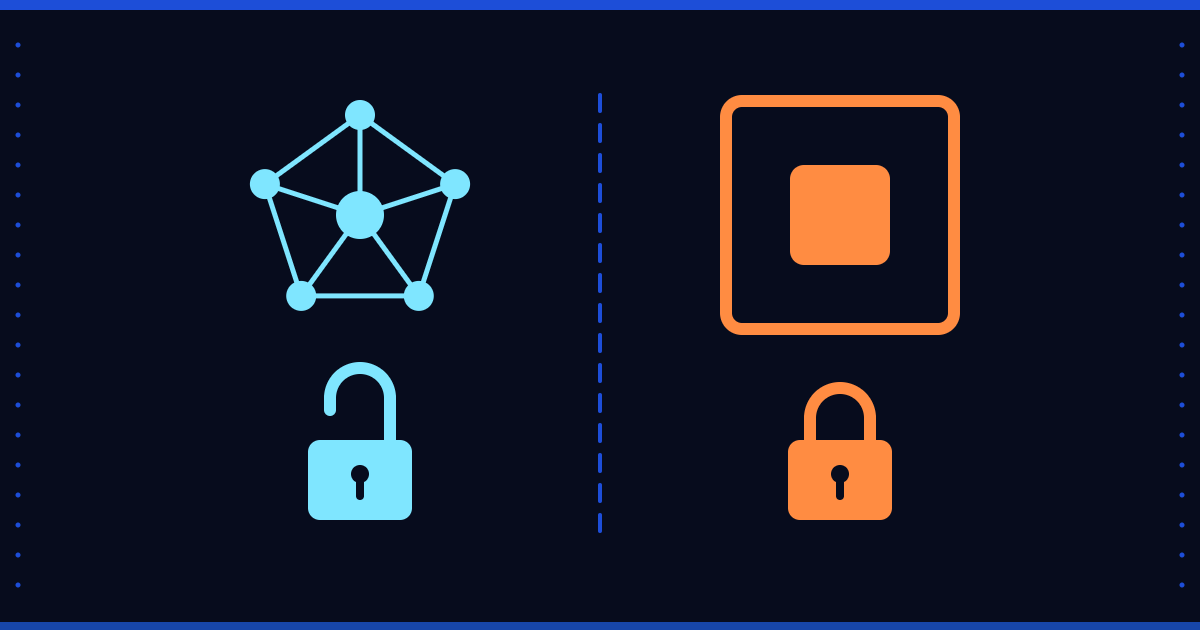
Meta made its Llama models downloadable together with their weights and reached a large developer audience. On 8 April 2026 it announced Muse Spark, the first model from Meta Superintelligence Labs; press reports used the code name 'Avocado' for it. This article compares Llama's open approach with the closed start of the new model.
Llama: 1 billion downloads
On 18 March 2025, Mark Zuckerberg announced that the Llama model family had reached 1 billion downloads, up from 650 million in early December 2024. According to press reports, the models are free but come under Meta's own license, which some developers consider commercially restrictive. So 'open weights' does not mean unrestricted use without reading the license terms.
Muse Spark (Avocado during development)
Meta announced Muse Spark on its own site on 8 April 2026: the model is available at meta.ai and in the Meta AI app, and a private API preview is offered to select users. During development the code name 'Avocado' appeared in press reports; it does not appear in Meta's official announcement. The description of the model as closed (proprietary) rests on CNBC, a news source; Meta's own announcement page does not state that term explicitly. According to CNBC, Meta hopes to open-source future versions. We could not verify that intent on Meta's page, so we do not state future open releases as fact. The model is currently available.
Open or closed: which fits when?
- Open-weights model: you can run it on your own servers and fine-tune it without sending data out; you manage infrastructure and updates.
- Closed model (API or app): little setup and maintenance, and the provider updates the model; data terms and pricing depend on the provider.
- Both together: many teams prototype with an API and run data-sensitive work in their own environment. This is a general approach, not Meta's stated reasoning.
We cannot know how Meta decides which model to offer openly and which to keep closed unless the company says so; the comparison above is our own general assessment. When deciding, test the license text, data terms and total cost against your own workload. Sources: Slashdot, CNBC, Meta AI.