Data Lineage: Knowing Where a Number Came From
Data lineage shows which steps a number passed through from source to report. We explain why it matters and how to start.
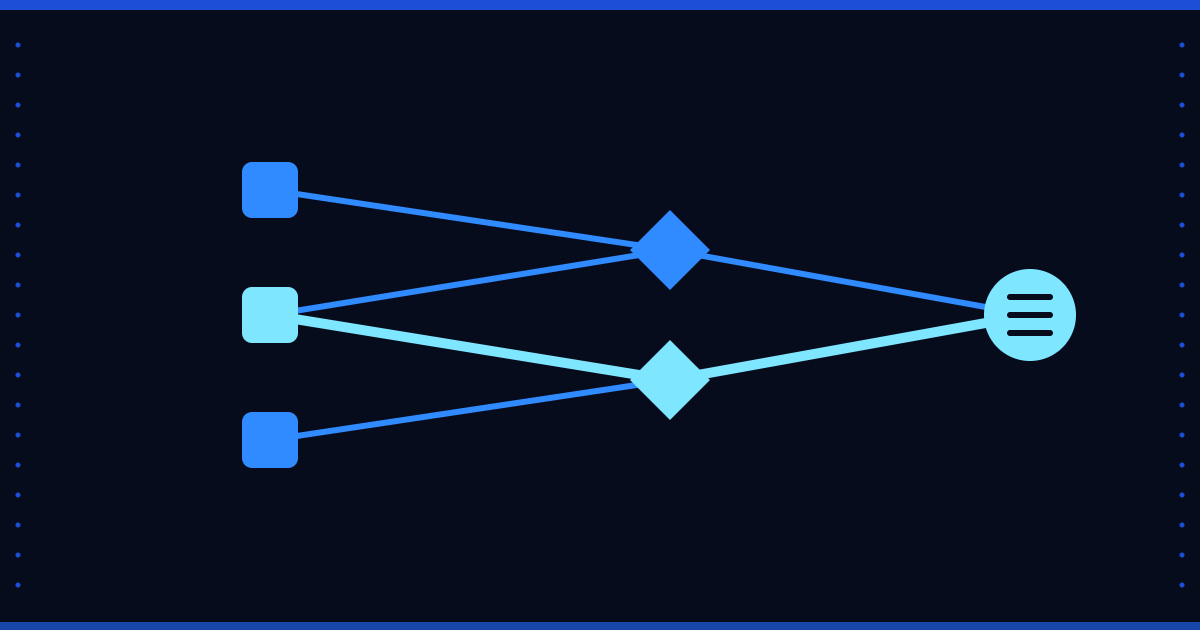
When someone asks in a meeting 'where did this number come from?' and the answer is 'from Excel' or 'whoever built the report knows', there is no data lineage. Lineage is the record of the steps a number passed through from source to report.
What should be recorded?
- Source: which system, which table, which record?
- Time of capture: when was it extracted, with which load did it arrive?
- Transformations: which steps did it go through, with which rule and version?
- Measure definition: with which formula was the number in the report calculated?
- Output: which report or dashboard uses this number?
Two levels
- Table level: which table is fed from which table? Easy to set up and maintain, and enough as a first step for most businesses.
- Field level: which source columns, and which calculation, produce a column? More valuable but more expensive.
A starting point for a small team
- List the main figures in the five most used reports.
- For each, write the source table and the measure definition.
- Keep load records (when, how many rows).
- Trace one figure by hand from end to end to find the missing link.
Where Floemdata stands
In the Bronze layer of Floemdata Analytics each record is stored with its source table name, business key, extraction ID, extraction and load time and the batch file it came from; a load ledger keeps a digest of each file. The Gold sales and purchasing tables carry a document number and a source system field. An interface that automatically traces a figure in Gold or Silver back to its Bronze record, and field-level lineage, are not verified in this article (not verified).
To get started, pick the main figure of your most important report and draw a one-page route back to its source. Questions: info@floemdata.com.