
Data & ETL
Penny Differences: Line vs Document Rounding
How the cent gap between line rounding and document rounding shows up in totals and how to track it. A small example and the rounding difference field in Floemdata.
Guides on ETL, data integration, data analytics and data science: how data moves from source systems into a warehouse and why the result can be trusted.
How the cent gap between line rounding and document rounding shows up in totals and how to track it. A small example and the rounding difference field in Floemdata.
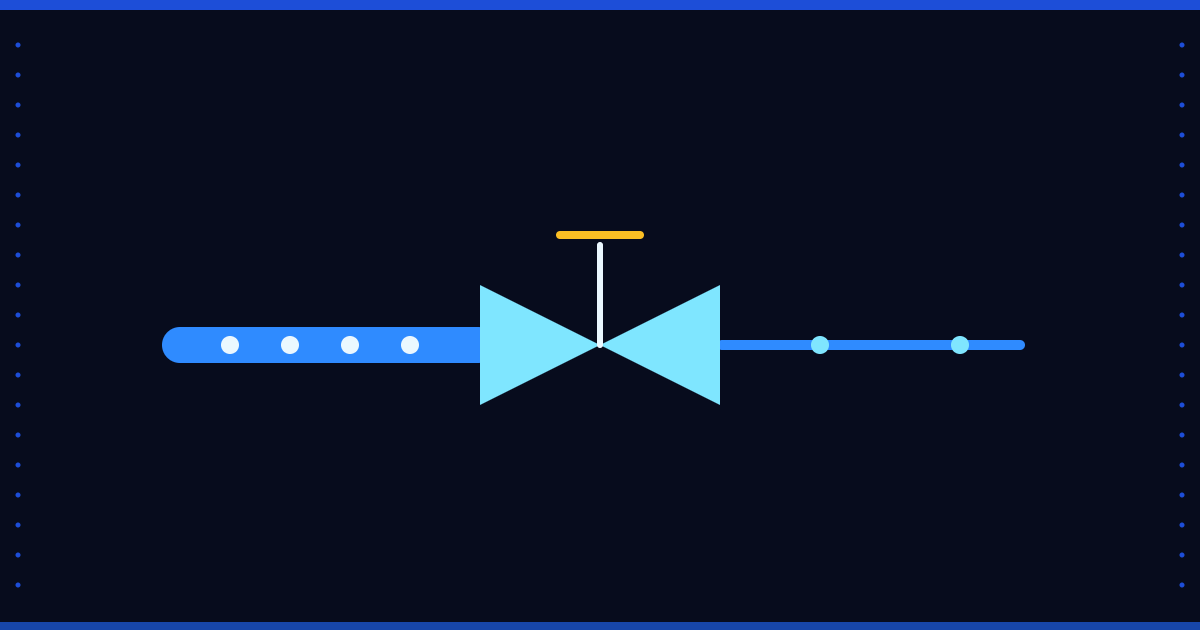
How to extract from a running ERP without slowing it: off-hours first load, reading in batches, pauses, timeouts and a read-only user. Floemdata's documented rules.
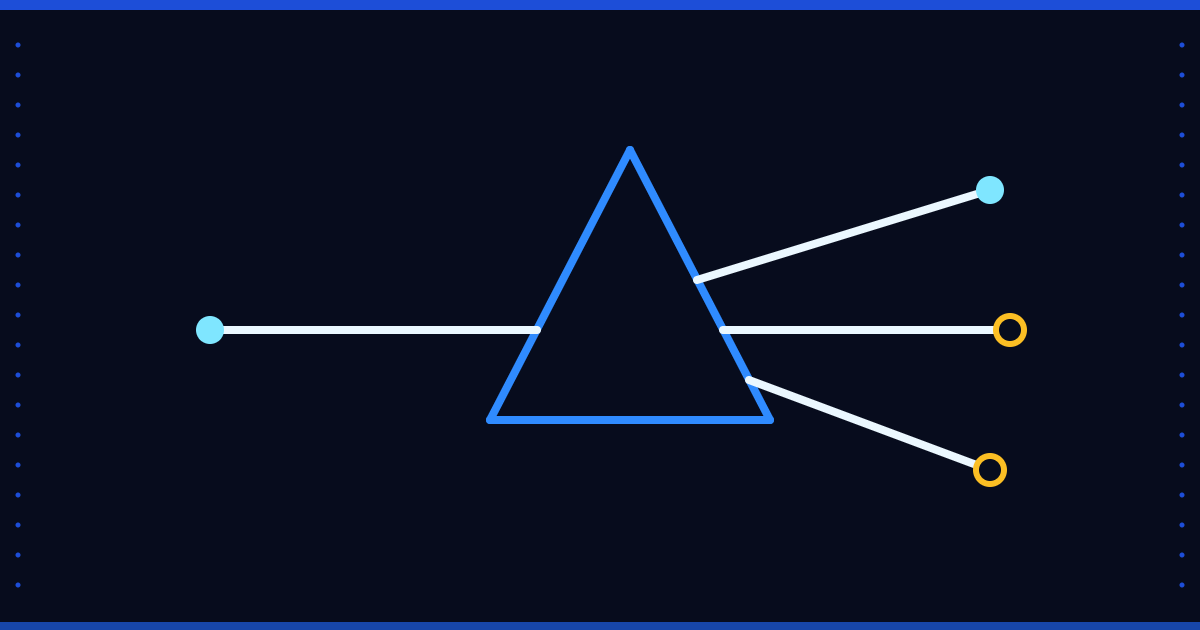
A one-to-many join duplicates rows and inflates totals. How to spot the fan-out and prevent it, with an invoice and payments example and Floemdata's status.
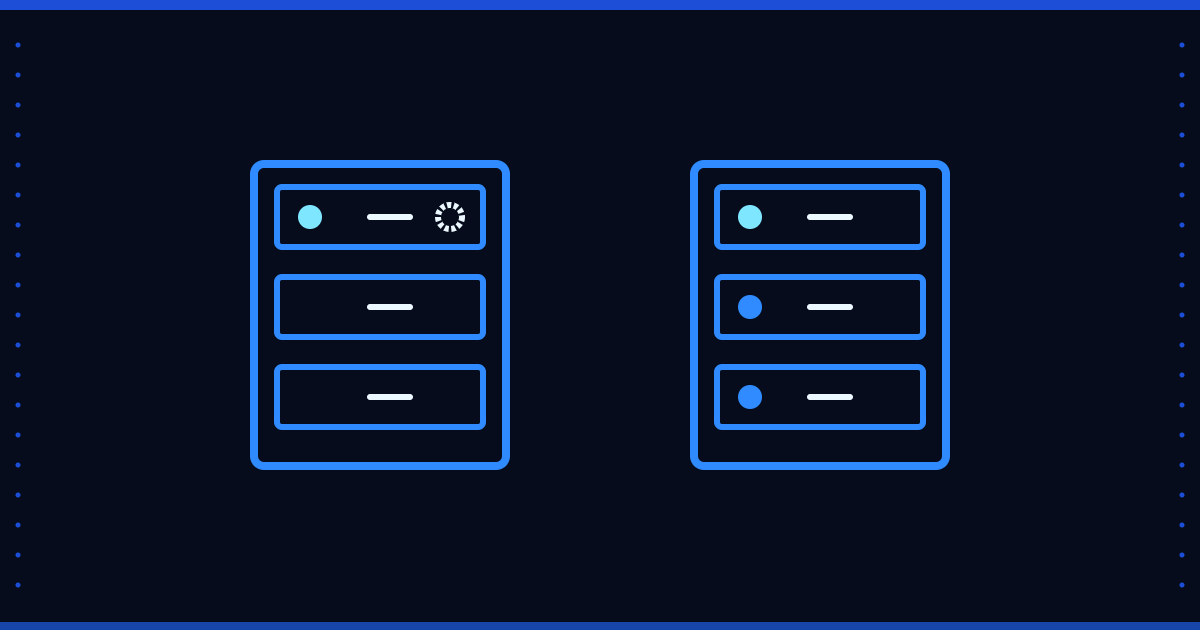
When a customer's region changes, past reports must not shift. Type 1 versus Type 2 for slowly changing dimensions, how to choose, and Floemdata's status.
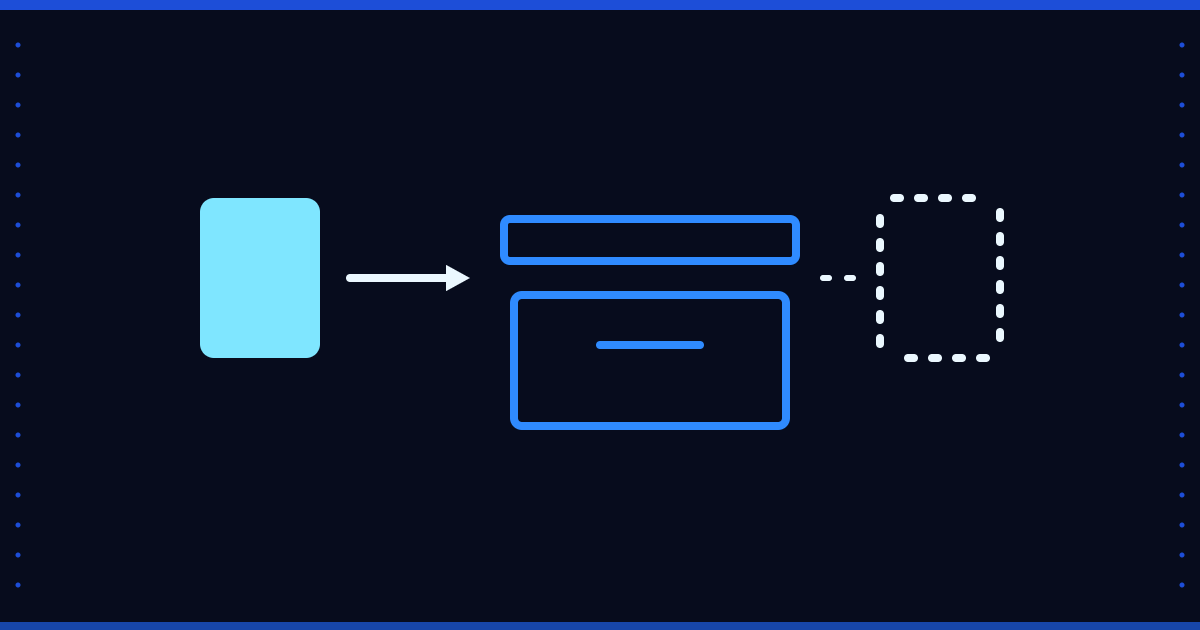
How long should you keep data? Steps to frame retention, archiving and deletion; ask your legal adviser about statutory periods. Floemdata's current status.
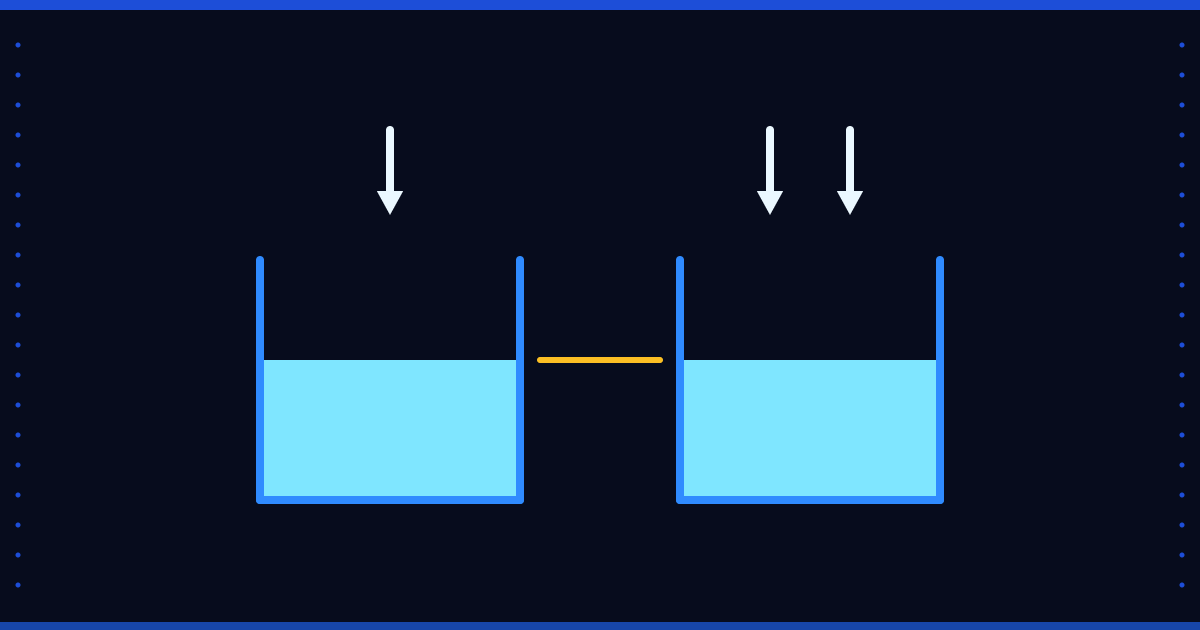
A data load that is interrupted and restarted must not double your rows. Unique keys, upserts and versioning, plus what we found and did not find in Floemdata.
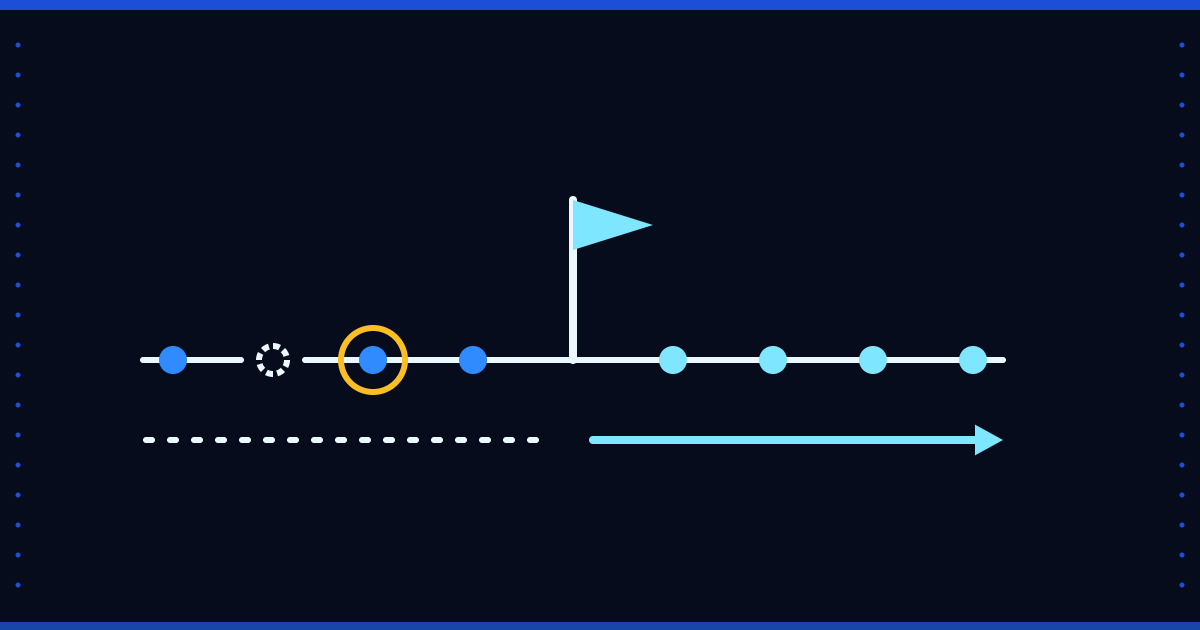
Incremental loads are fast but silently miss deleted and back-dated records. How watermarks, overlap and full reloads help, and what Floemdata does today.
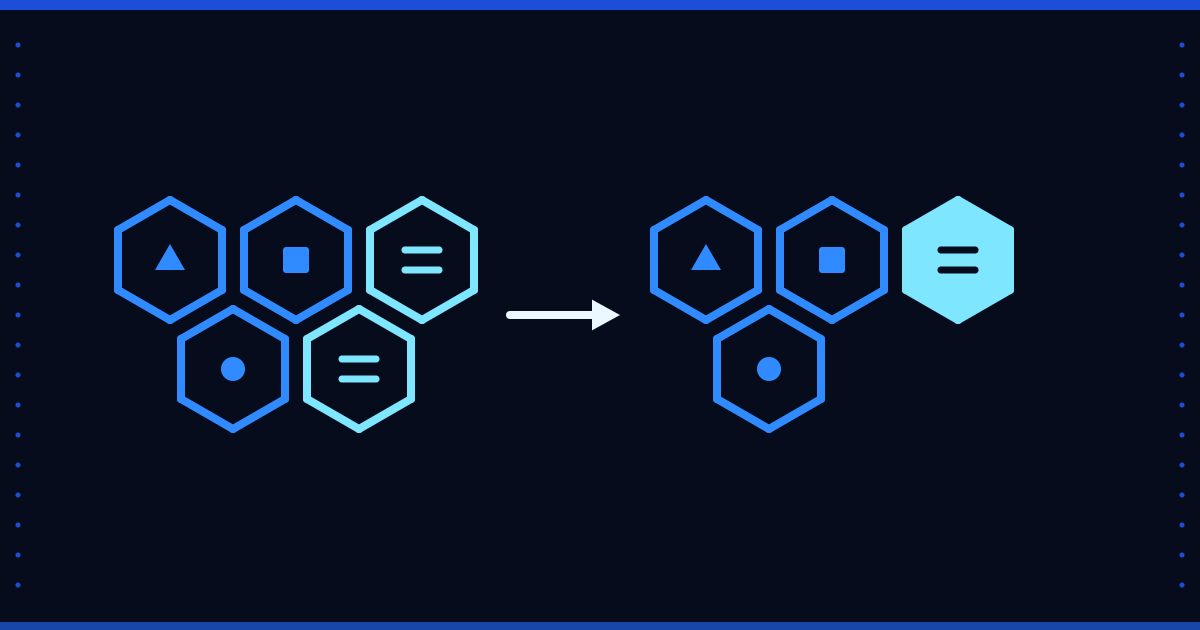
When one customer sits in your ERP under two codes, reports rank them wrongly. Three steps to find duplicate records, a mapping table, and Floemdata's real status.
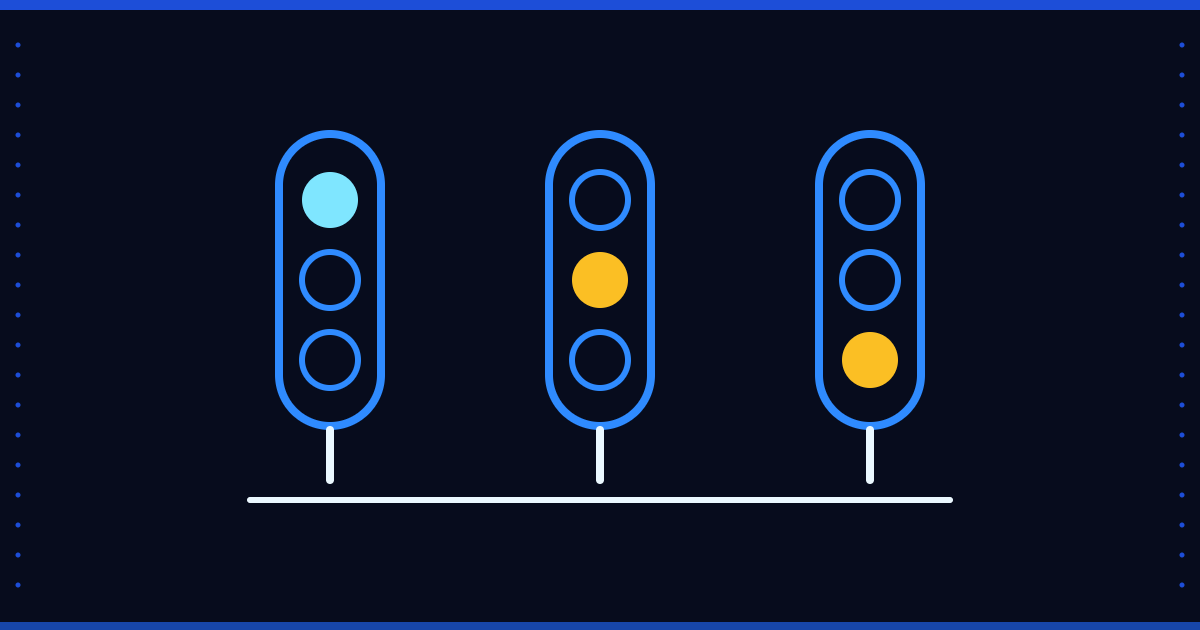
Which alerts do you really need? A minimum monitoring set for data freshness, row-count drift and run errors, and where Floemdata's monitoring stands today.
A column is added, dropped or renamed in the source system. What should your data pipeline do that day? A data contract, three reactions and Floemdata's real status.
If a customer code changes, what happens to past reports? The difference between surrogate and business keys, how to choose, and which key Floemdata uses today.
Synthetic data checks logic and consistency but cannot prove how a real system's schema and dirt behave. The limits, a documented example and the right order of use.
A sale made near midnight lands on the wrong day. UTC versus local time, daylight saving, dates without a time: traps that break daily figures.
A backup proves nothing until you restore it. Backups, restore tests, RPO and RTO for a small-business data warehouse, and what Floemdata does and does not cover.
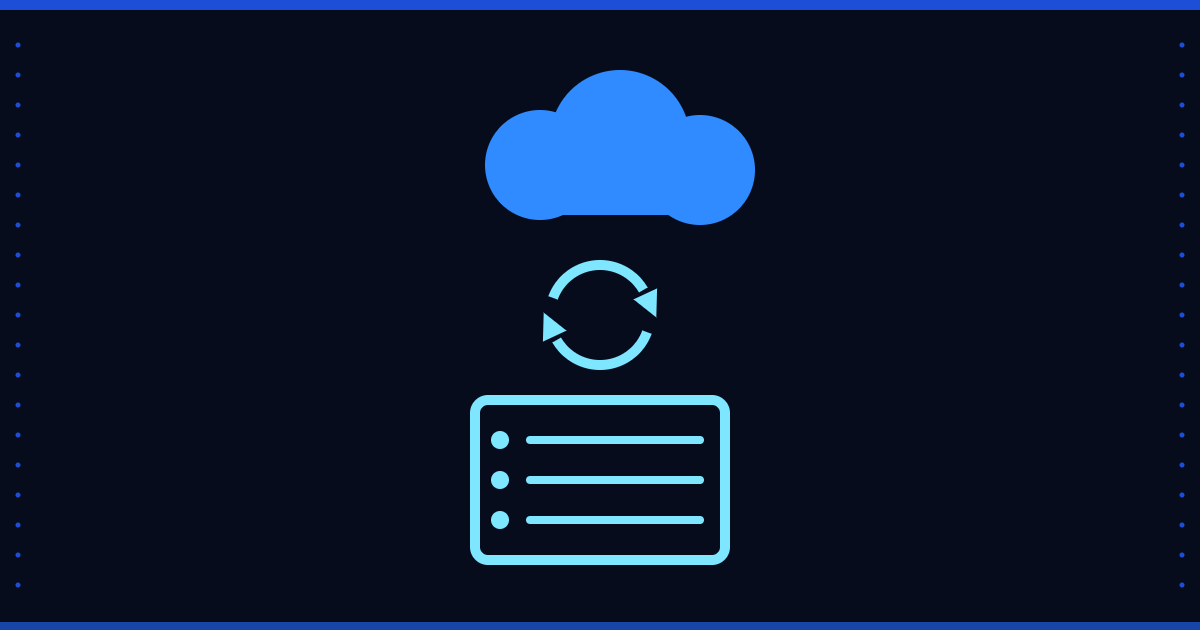
How do you set up synchronization when data lives both on premises and in the cloud? Direction, latency, conflicts and security for hybrid setups.
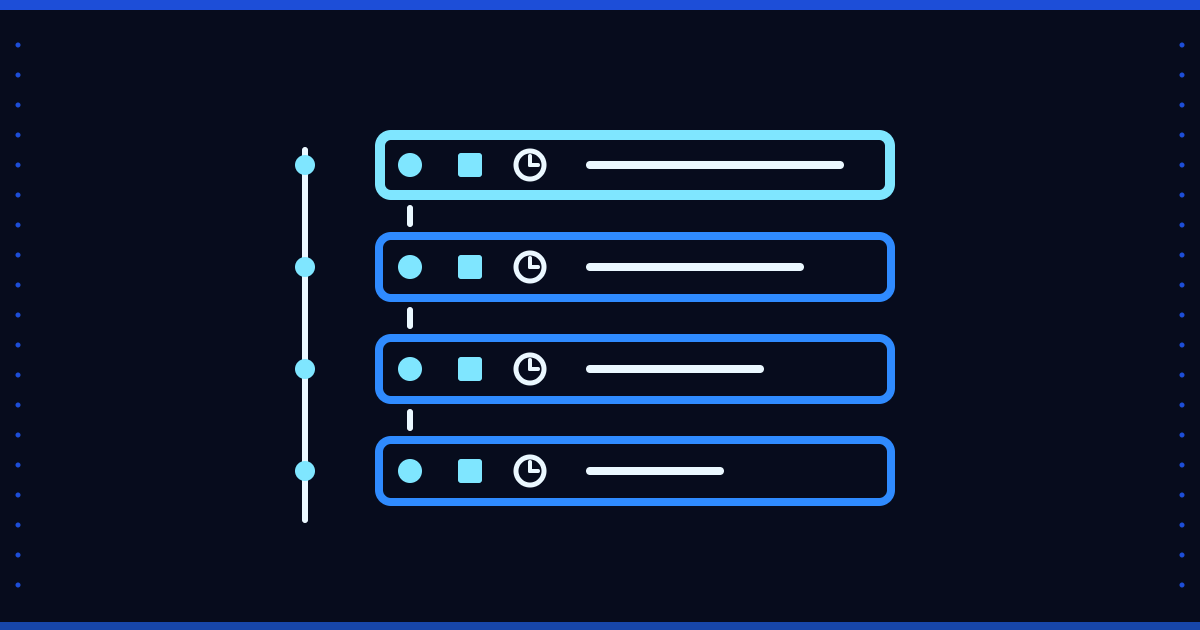
A data audit trail lets you show later how a number came about. We cover which records to keep and what to watch for compliance. Not legal advice.
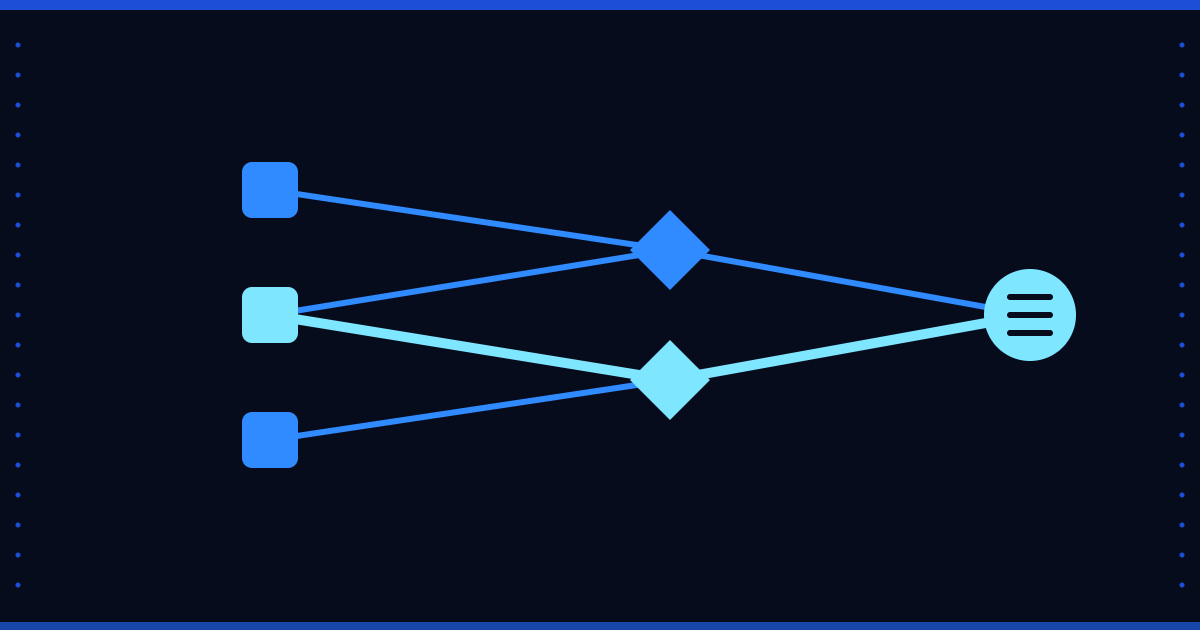
Data lineage shows which steps a number passed through from source to report. We explain why it matters and how to start.
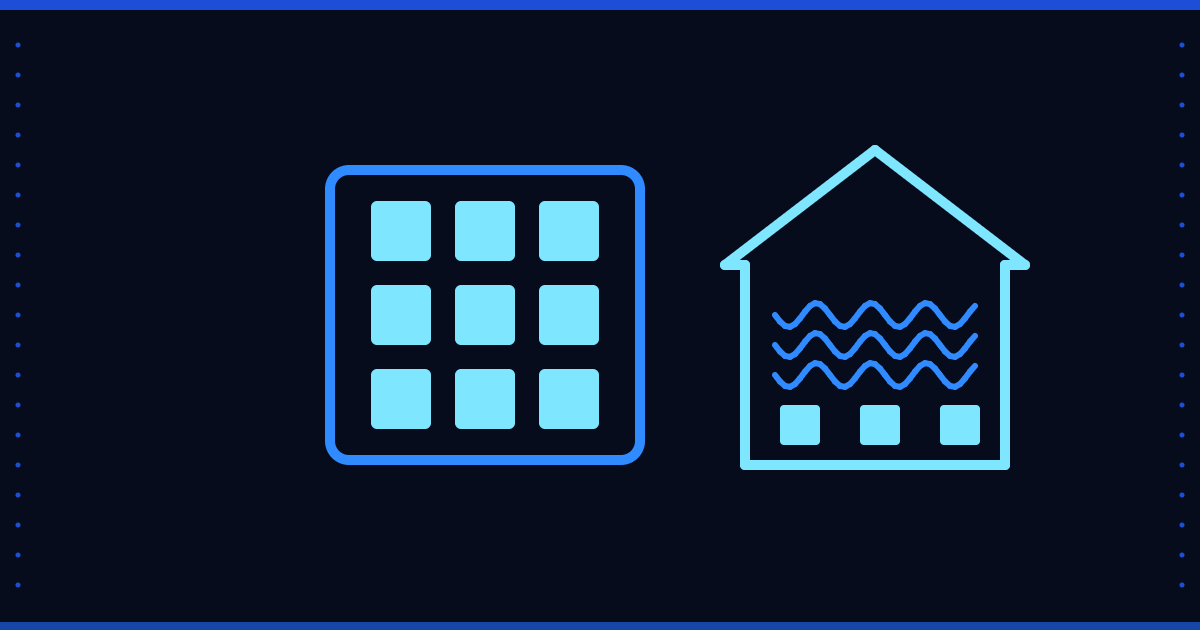
Lakehouse or classic data warehouse? We explain how the two architectures differ and why a small company should start simple.
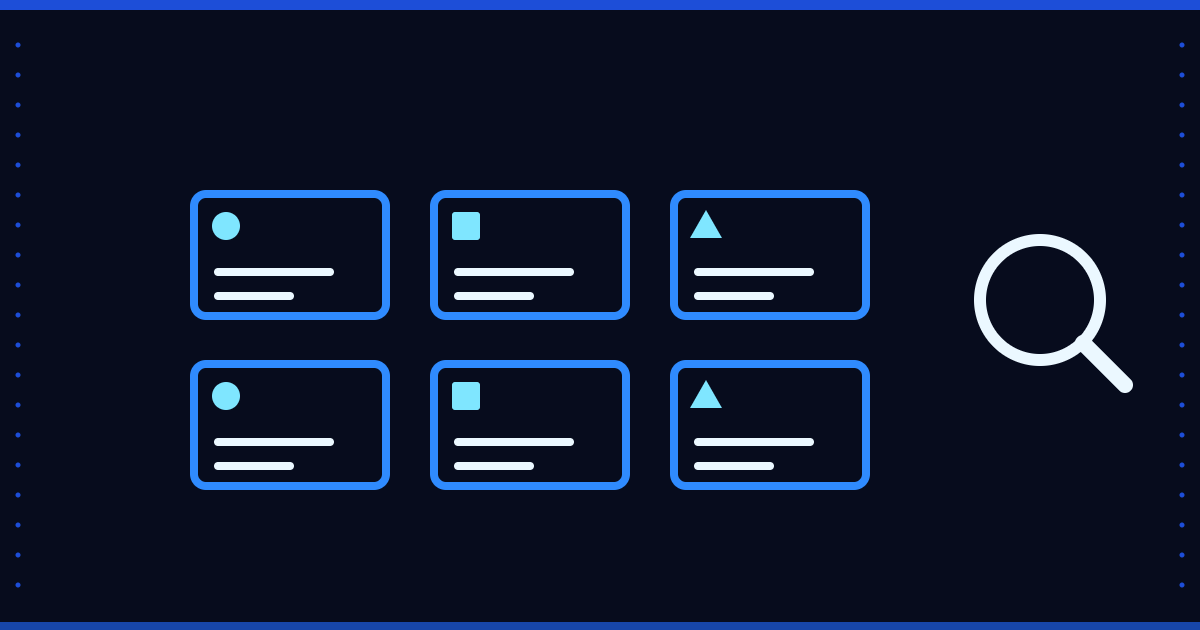
A data catalog records where data lives and what it means. We explain the metamodel behind it and how a small team can start.
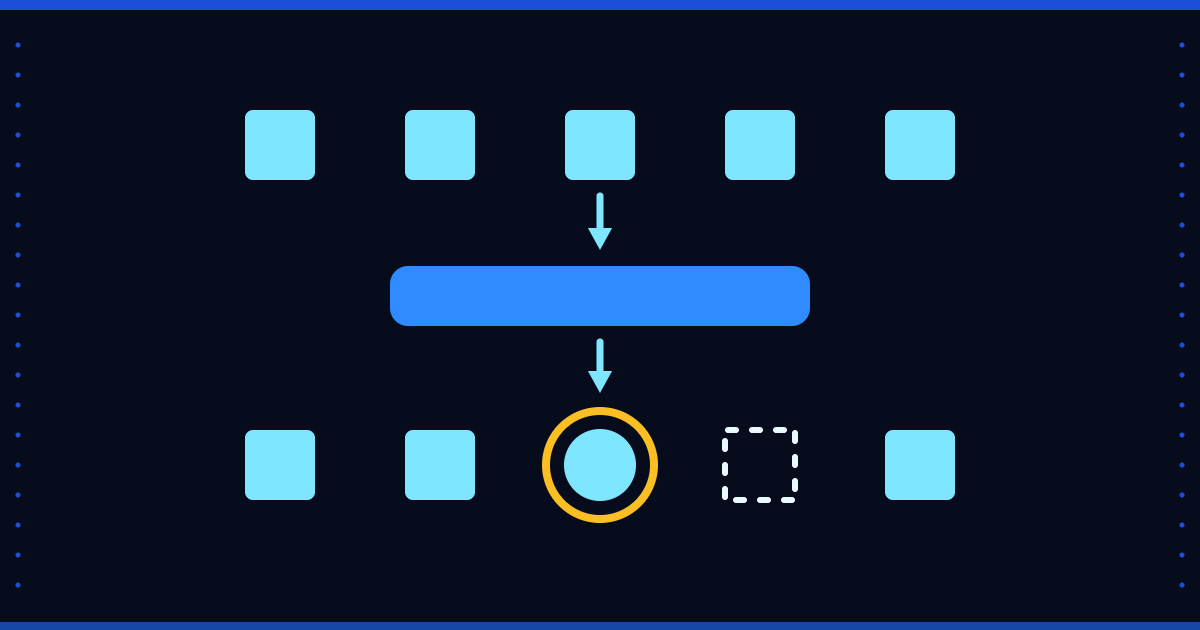
Errors in data extraction and transformation are unavoidable; what matters is being able to go back. Re-runnable loads, confirmed progress and month-end close.
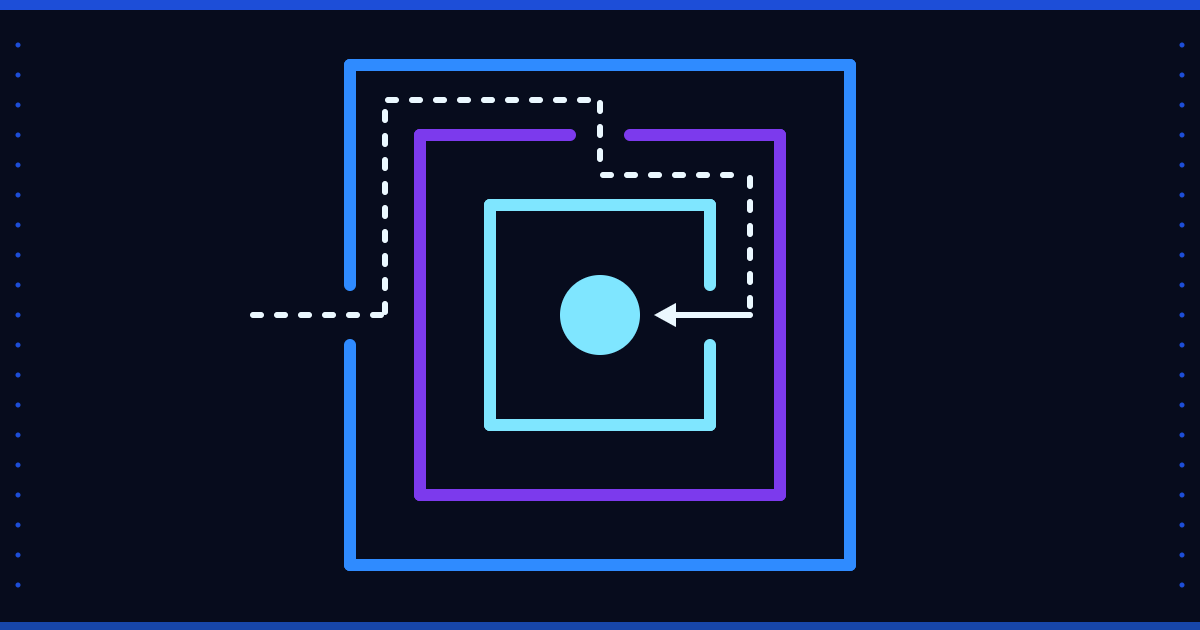
How much protection does financial data need? A risk-based look at signing versus encryption, connection security and access rules. Not legal advice.
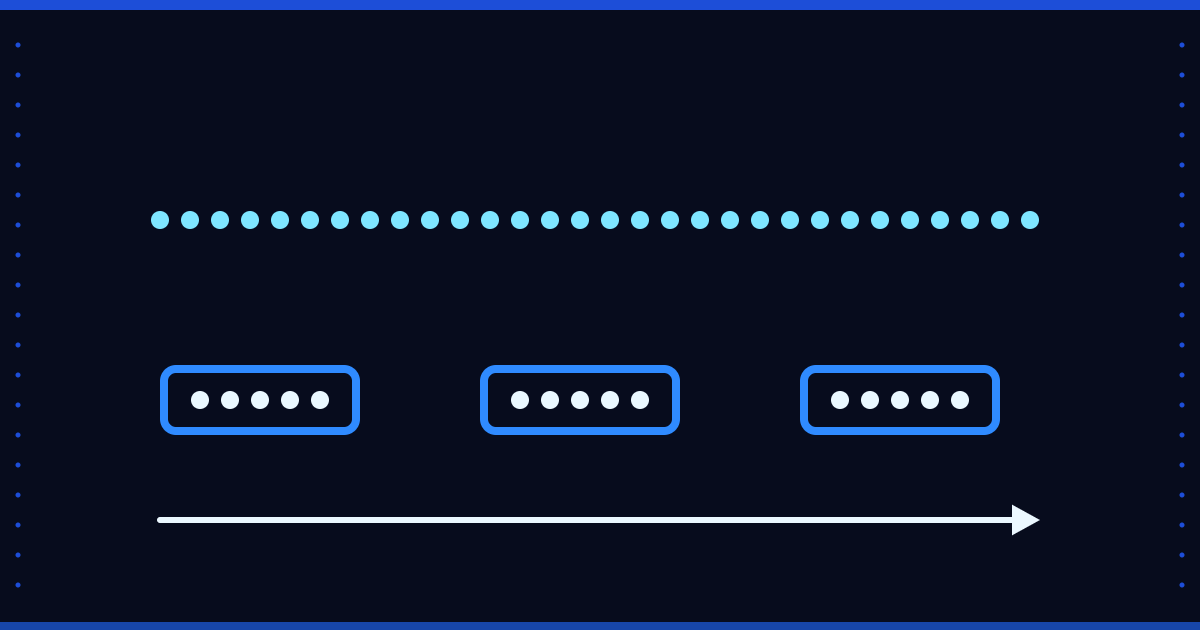
Real-time stream or hourly batch pull? We explain how to pick the right refresh rate for SAP B1 data from latency, system load and decision needs.
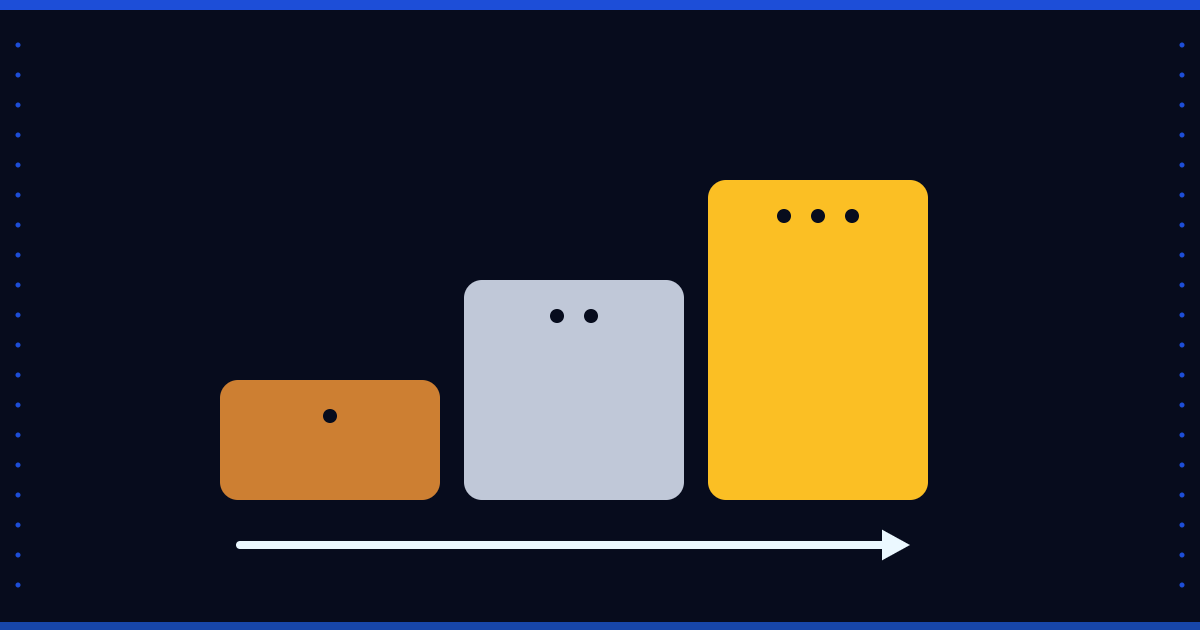
Bronze, Silver and Gold layers organize data from raw form to report. We explain what each layer does and how it appears in Floemdata Analytics.
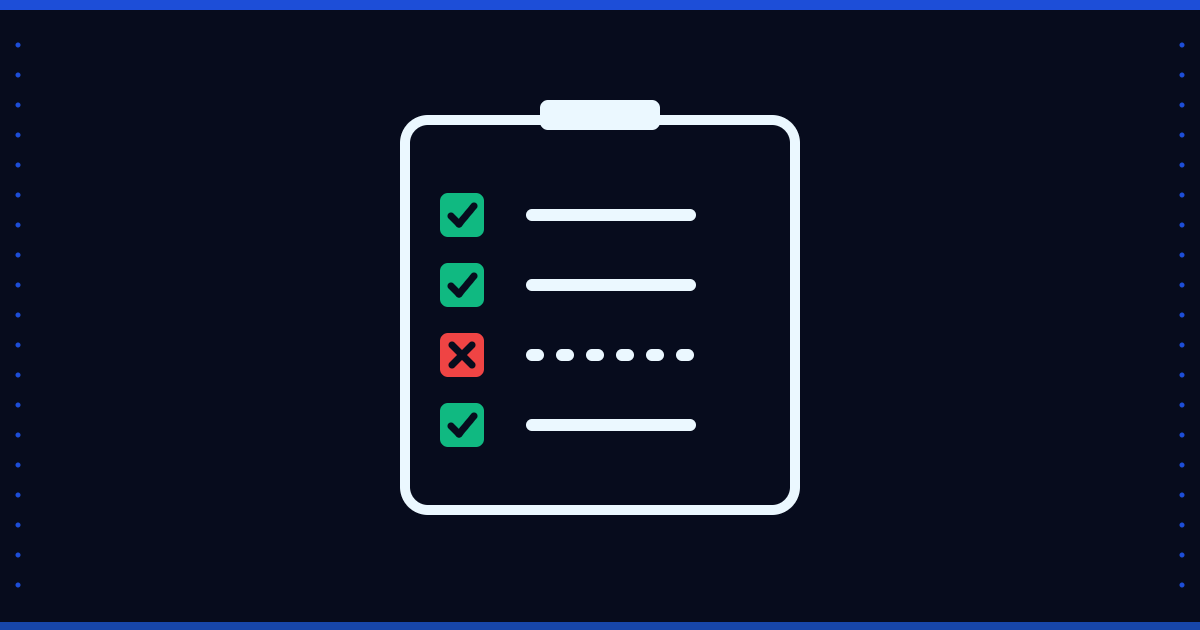
A checklist for data quality: completeness, uniqueness, validity, consistency. We show which checks should be automatic and which need a person.
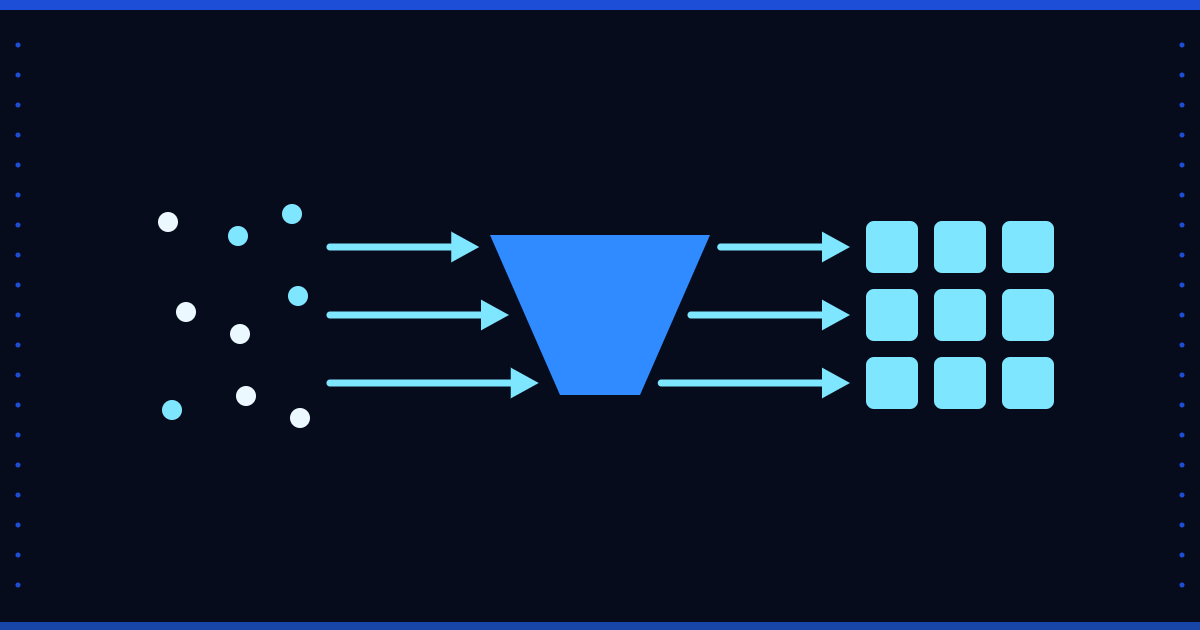
ETL moves data from several sources into a warehouse and transforms it. We explain when it is needed, when it is extra burden, and how it differs from ELT.
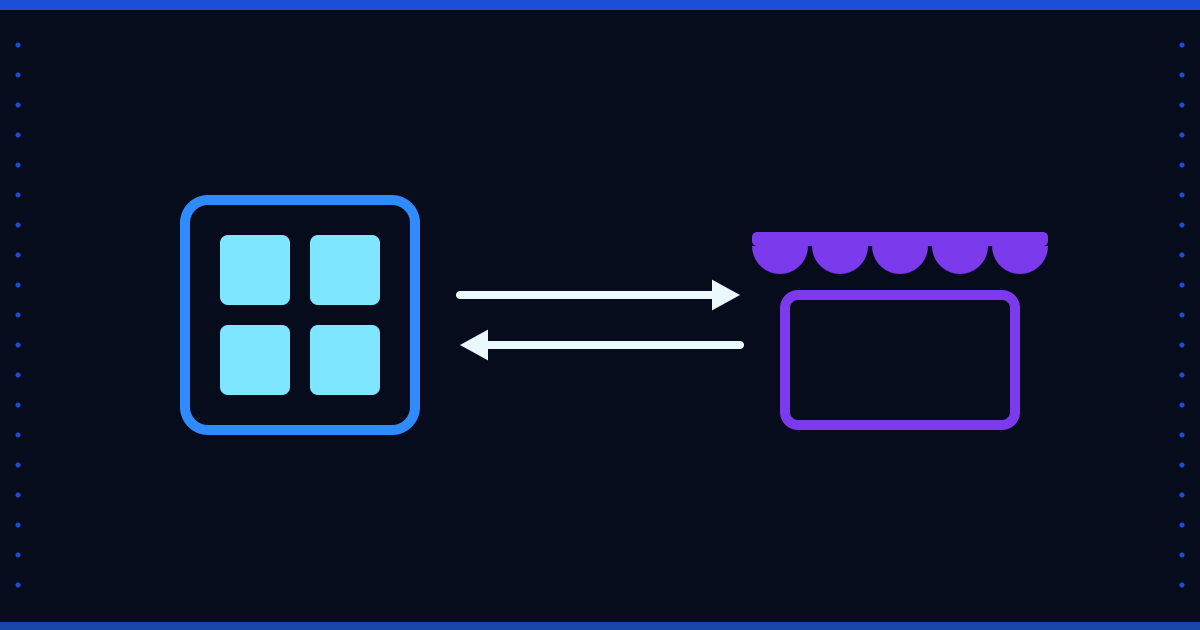
Combining SAP B1 and marketplace data in one warehouse is harder than it looks: different keys, returns and cancellations, reloads and reconciliation.
Data science versus data analytics, the four levels of analysis, and what has to be true about your data before any model is worth building on top of it.
What data integration means, how data moves out of an ERP into a warehouse, and the hidden cost of exporting to spreadsheets by hand every single month.
The three steps of ETL, how it differs from ELT, incremental loading and idempotency — plus the part that decides whether anyone trusts the result.
Descriptive, diagnostic, predictive and prescriptive analytics explained — and the order that actually works for mid-sized companies starting out.