Receivables Ageing: How to Read the Buckets
What does splitting open receivables into overdue buckets show, and what does it hide? How to read the buckets, common mistakes and Floemdata's ageing table.
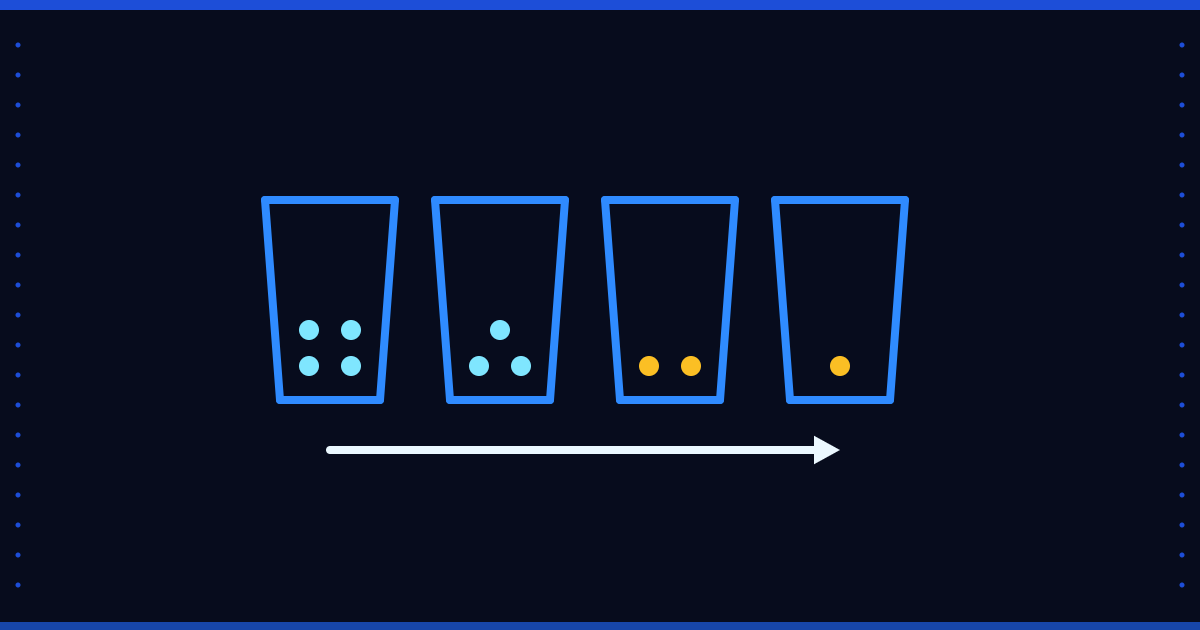
Total open receivables are high, but you do not know how much of that is really a problem. An ageing report answers this: it puts each open invoice into a bucket according to how long it is past due, and shows the bucket totals.
What the buckets show
- Not yet due: receivables whose payment day has not come. Part of the normal flow.
- 1-30 days: newly overdue; a reminder is often enough.
- 31-60 and 61-90 days: lateness is turning into a habit; time to talk to the customer.
- Over 90 days: high collection risk; needs separate follow-up and a decision.
Bucket limits are a convention, not a law of nature. Depending on your sector and payment terms you can use tighter or looser limits instead of 30-day steps.
Mistakes to watch for
- By due date or by invoice date: the same invoice falls into different buckets in the two kinds of ageing. The report should say which it uses.
- Part payments: bucket the open balance, not the document amount. If a half-paid invoice appears at full value, the report is inflated.
- Unapplied payments and credit notes: they reduce open receivables; if they stay as separate lines, overdue receivables look higher than they are.
- Currency: are bucket totals in different currencies shown in one currency or separately?
- Month-end cut: if ageing is computed "as of today", yesterday's report cannot be reproduced tomorrow; if you did not save the month-end picture, the past report is lost.
How to use the report
- Look at the bucket totals first, then at the ten largest overdue customers.
- Check whether the same customer is recorded under two codes; the balance may look split.
- The sum of the buckets must agree with the receivables balance in accounting. If not, do not use the report for decisions until the difference is explained.
Where Floemdata stands
Floemdata's Gold layer has a receivables ageing table at open sales invoice level: document amount, amount paid, open balance, days overdue calculated as "today minus due date", and the buckets Not yet due, 1-30, 31-60, 61-90, 90+. Ageing, stock status and open-order tables are snapshots; the anomaly layer stores these measurements by day.
Not verified: we did not examine how unapplied payments and the reconciliation of bucket totals with the accounting balance are handled inside this table. Nor can we say it has been compared with real customer data; in development it runs on mock SAP data.
To start, take this month's receivables ageing and compare the bucket totals with the accounting balance. Questions are welcome at info@floemdata.com or via Floemdata.